
Axum is the cradle of Ethiopian civilization, a UNESCO World Heritage site defined by its monumental monolithic stelae and ancient religious history. It is a mystical, high-altitude destination best visited between October and March when the weather is dry and the skies are clear.
Top Things to Do in Axum


Tap an attraction to look it up on TripAdvisor.
Getting Around Axum
From the Airport
Taxi. Licensed airport taxis are available outside the Axum Airport terminal; negotiate the fare to the town center before departing, which usually takes about 15-20 minutes. Hotel Shuttle. Many major hotels in Axum offer pre-arranged airport pickup services, which is the most convenient and recommended option for first-time visitors.
Once You're There
Walking. The main archaeological sites are concentrated in the city center and are very walkable for those comfortable with light hiking. Bajaj/Taxi. Three-wheeled Bajajs (auto-rickshaws) are the standard way to get around quickly; they are inexpensive and can be hailed easily on the street.
Where to Stay in Axum
Hotel picks for Axum are coming soon. In the meantime, search directly:
Where to Eat in Axum
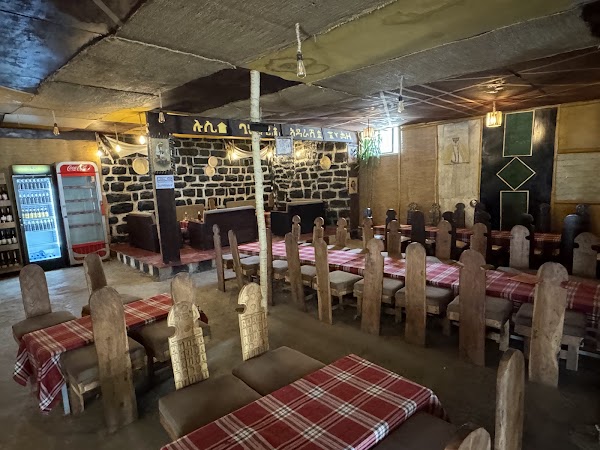
 Tsion Cafe★ 4.5 (337)4PJ9+5RH, Aksum, EthiopiaThe go-to spot for a quick mid-morning macchiato and traditional honey-sweetened bread.
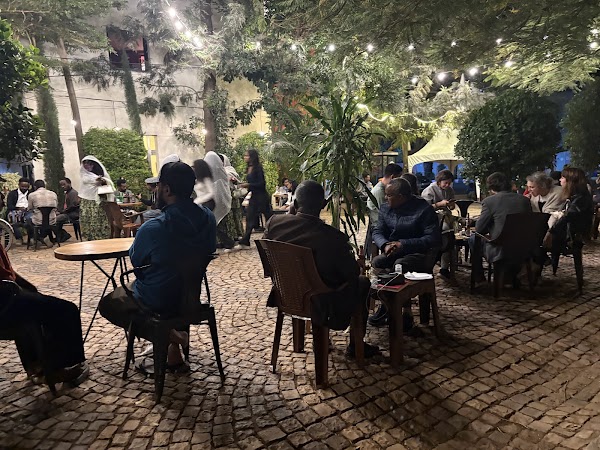 Axumite Cafe★ 4.5 (117)Nikodemus Tesfay Street, Aksum, EthiopiaAn unassuming local favorite that serves some of the strongest and most aromatic Ethiopian coffee in the city.
Tours & Activities
Bookable through Viator.


3 Days in Axum
Ancient Monoliths & History
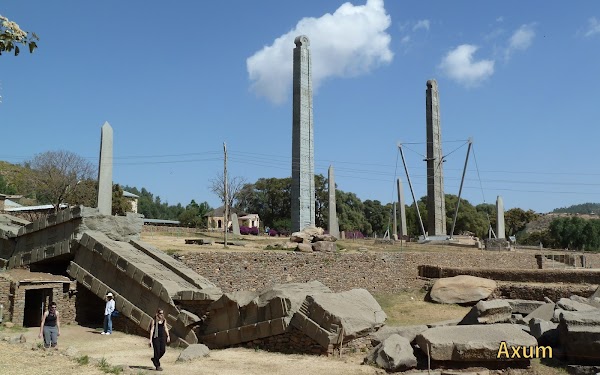
Morning. Start your journey at the Northern Stelae Park, the most iconic site in the city where massive granite obelisks pierce the sky. Spend at least two hours wandering between the Great Stele and the smaller, intricately carved monuments to grasp the sheer engineering prowess of the ancient Axumite Empire. The morning light is perfect for photography, so bring your camera and arrive early to avoid the midday heat. Afterward, stroll a short distance to the nearby Axum Archaeological Museum to contextualize what you have just seen with its collection of ancient coins and pottery. End your morning by walking to the Ezana Stone, a trilingual inscription that serves as the Rosetta Stone of Ethiopia.
Afternoon. After grabbing lunch, head toward the outskirts of town to explore the mysterious Dungur Palace, often referred to as the Palace of the Queen of Sheba. The ruins are atmospheric and provide a glimpse into the domestic layout of the elite class during the height of the empire. From there, take a local taxi or enjoy a long walk toward the Baths of the Queen of Sheba, a large ancient reservoir that is still used by locals today. It is a peaceful spot to reflect on the city's hydraulic engineering history. Spend the late afternoon observing the local life around the reservoir before heading back toward the center.
Evening. Wind down your first day by visiting the Tomb of the False Door, a fascinating subterranean structure that showcases early architectural ingenuity. As the sun begins to set, the area around the main square becomes vibrant with local activity. Find a seat at a nearby terrace to enjoy the cooling temperatures. End your evening with a traditional dinner at a hotel restaurant overlooking the archaeological park to see the monuments illuminated under the stars.
Sacred Grounds & Royal Tombs
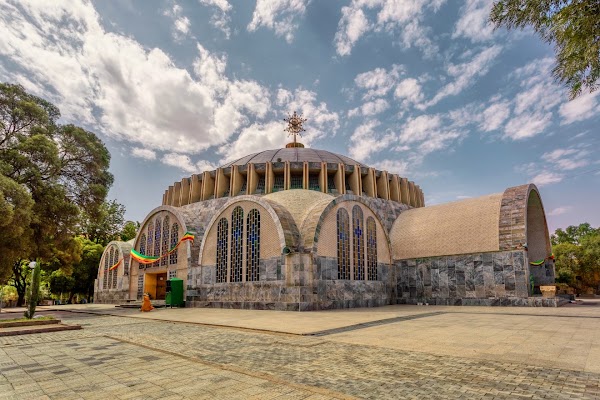
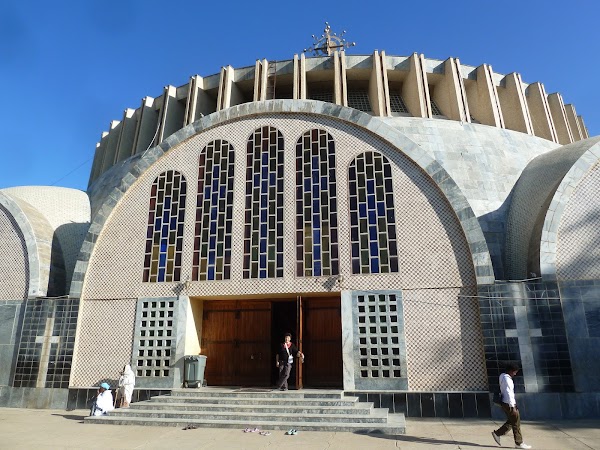
Morning. Dedicate your second morning to the spiritual heart of the city, the Church of Our Lady Mary of Zion. This complex is said to house the Ark of the Covenant, and the atmosphere here is profoundly reverent and quiet. Dress modestly as you explore the old church and the newer, impressive cathedral next door, ensuring you spend time in the museum which holds ancient crowns and religious manuscripts. The grounds are expansive, so give yourself plenty of time to soak in the chanting and the presence of local pilgrims. Afterward, walk through the surrounding neighborhood to see the daily life of the clergy and local residents.
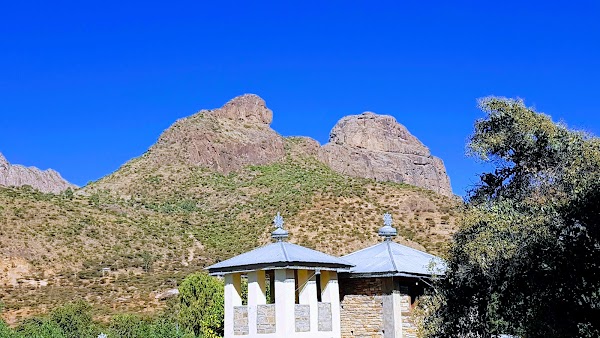
Afternoon. In the afternoon, travel to the northern edge of the town to visit the Tomb of King Kaleb, which features remarkable stone masonry and a commanding view of the surrounding plains. The site is less crowded than the central park, allowing for a more intimate exploration of the subterranean chambers. Continue your excursion to the nearby Tomb of King Bazen, one of the oldest royal burial sites in the region, which offers a look at the transition between pre-Christian and Christian burial practices. These sites provide a rugged, authentic experience of Axum's historical landscape. Wear sturdy shoes as the terrain can be uneven and rocky.
Evening. Return to the town center as the evening bells begin to ring, signaling the end of the workday. Spend your time browsing the small local craft shops near the market area for handmade textiles and religious icons. The market is a sensory experience, filled with the scent of frankincense and spices. Conclude your day with a hearty Ethiopian dinner, making sure to try a variety of wats, which are the slow-cooked stews that define the local palate.
Natural Wonders & Landscapes
Morning. For your final day, venture slightly outside the city limits to the Lioness of Gobedra, a famous rock carving of a lioness that marks the ancient quarry site where the stelae were cut. The hike to this site takes you through beautiful rural scenery and offers a breath of fresh air away from the urban center. Spend time observing the craftsmanship of the carving and the surrounding granite landscape, which feels untouched by time. Bring water and snacks, as there are limited facilities once you leave the town. This excursion is perfect for travelers who want to see the source of the materials used in the city's famous monuments.
Afternoon. Head back toward the city and spend your final afternoon revisiting any sites that captured your interest, or simply explore the smaller, unmarked ruins scattered throughout the town. Visit the local market, which is particularly active in the afternoon, to pick up souvenirs like traditional silver jewelry or hand-woven scarves. Engage with the local merchants and learn about the significance of the patterns in their textiles. The market is the best place to witness the authentic, everyday culture of the Axumite people. Grab a final afternoon coffee at a local cafe to relax and reflect on your trip.
Evening. For your final evening, treat yourself to a celebratory meal at a high-end hotel restaurant that offers a cultural show or live music. Many of these establishments feature traditional dancers who perform the energetic Eskista dance, providing a memorable finale to your Axum adventure. Reflect on the rich history you have uncovered over the past three days while enjoying the hospitality of the local people. It is a perfect time to take one last walk through the town square to see the city lights flickering against the backdrop of the stelae.